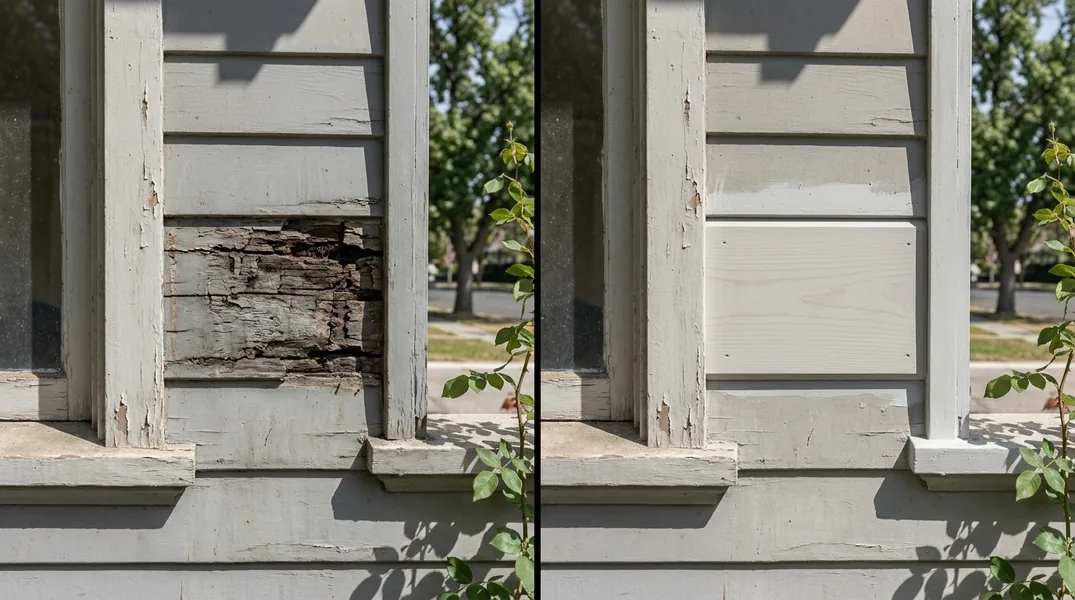
Understanding Dry Rot vs Termite Damage
If you own a home in Fresno, you've likely heard warnings about both dry rot and termite damage. Both can cause serious structural problems, but they're fundamentally different threats that require different solutions. Dry rot is a fungal decay caused by moisture, while termite damage results from insects actively eating through your wood. Understanding the difference is crucial because the repair approach, timeline, and prevention methods vary significantly between the two.
The confusion between dry rot vs termite damage is understandable because both can lead to weakened wood, sagging floors, and expensive repairs. However, the underlying causes and the way the damage develops are completely different. Dry rot happens when wood remains damp and lacks proper ventilation, allowing fungus to break down the wood's cellular structure from within. Termites, on the other hand, are living creatures that tunnel through wood as they feed, leaving behind hollow galleries and damaged fibers. Identifying which problem you're facing will help you make the right decision about repairs and prevention.
What Does Wood Rot Look Like? Visual Signs of Dry Rot
When you're inspecting your Fresno home for damage, knowing what does wood rot look like is essential. Dry rot typically appears as a dark brown or grayish discoloration on the wood surface. The affected wood often becomes soft and spongy to the touch, crumbling easily when you press on it with a screwdriver or similar tool. You may also notice a musty, earthy odor coming from affected areas, which is the smell of active fungal growth. The rot often develops in a cubic or blocky pattern, where the wood appears to crack and shrink along the grain lines.
One distinctive feature of dry rot is the presence of white or grayish fungal strands, sometimes called mycelium, which can spread across the wood surface or nearby materials. In advanced stages, you might see fruiting bodies that look like mushroom-like growths or crusty patches. The wood becomes increasingly brittle and loses its structural integrity, which is why dry rot can be particularly dangerous. Unlike termite damage, which leaves visible tunnels, dry rot often affects the interior of the wood while the surface may still appear relatively intact at first. This hidden nature means you should inspect areas prone to moisture, such as crawl spaces, basements, and around window frames, where dry rot is most likely to develop.
Signs of Termite Damage in Wood: What to Look For
Signs of termite damage in wood are quite different from dry rot, and spotting them early can save you thousands in repairs. Termites create visible tunnels and galleries as they consume the wood from the inside out. If you tap on infested wood, it often sounds hollow, and you may see small holes or exit ports where termites have chewed through to the surface. These holes are typically small, about the size of a pinhead, and often appear in clusters. You might also notice mud tubes running along foundation walls or wooden support posts, which termites use as protected highways to travel between the soil and your home's wooden structures.
Another telltale sign of termite damage is the presence of termite droppings, called frass, which look like tiny pellets of sawdust. Unlike dry rot, termite-damaged wood often retains a relatively normal appearance on the surface while being severely compromised underneath. You may notice wood that appears to have been layered or laminated, as termites eat along the grain, leaving thin sheets of wood intact. If you suspect termite activity, look for swarms during spring months, discarded wings near windowsills, or mud tubes near your foundation. Because termites work continuously and can cause rapid structural damage, it's important to identify an infestation as soon as possible and contact a professional for Termite Damage Repair.
Key Differences: Wood Rot vs Termite Damage Causes and Progression
Understanding the root causes of wood rot vs termite damage helps explain why they look and behave differently. Dry rot develops because of excess moisture and poor ventilation. It thrives in damp, dark environments where wood moisture content exceeds 20 percent. Common causes include roof leaks, plumbing issues, foundation cracks, and inadequate crawl space ventilation. Once fungal spores take hold, the decay spreads gradually but relentlessly, and the damage can continue for months or even years before you notice it. The progression of dry rot is somewhat predictable: moisture creates the right conditions, fungus colonizes the wood, and structural integrity deteriorates over time.
Termite damage, by contrast, is caused by living insects that actively feed on cellulose in your wood. Termites can be present in your home for years without you knowing, quietly consuming structural elements. The damage they cause can accelerate rapidly once an infestation becomes established, and a single colony can damage significant portions of your home's framing. Unlike dry rot, which requires moisture, subterranean termites only need soil access and a connection to wood. This makes termite prevention and early detection especially critical. While dry rot might take months to cause noticeable damage, termites can compromise structural integrity more quickly, making the timeline for intervention very different between the two problems.
When to Call a Professional: Wood Rot & Dry Rot Repair Near Me
If you've identified either dry rot or termite damage in your Fresno home, the next step is determining whether you need professional help. For dry rot, the answer is almost always yes. Wood Rot & Dry Rot Repair requires identifying and eliminating the moisture source, removing all affected wood, treating surrounding areas, and replacing compromised structural elements. This is not a DIY project if the rot has affected load-bearing components like floor joists, beams, or wall framing. Attempting to repair significant dry rot yourself can result in incomplete removal of the fungus, inadequate moisture control, and structural failures down the road.
Similarly, termite damage should always be handled by professionals. While some minor surface damage might seem manageable, termites often cause hidden damage that's difficult to assess without expertise. A professional inspection can determine the extent of the infestation and the damage, recommend appropriate treatment, and help you understand whether you need Floor Joist & Subfloor Repair or more extensive structural work like Beam Replacement & Load-Bearing Wall Removal. Fresno Carpentry specializes in both dry rot and termite damage repair, and we can provide a thorough assessment to determine exactly what your home needs. Call us at (559) 206-3608 to schedule your free estimate today.
Prevention Tips: Protecting Your Fresno Home from Both Threats
The best approach to both dry rot and termite damage is prevention. For dry rot, focus on moisture control. Ensure your gutters and downspouts direct water away from your foundation, fix roof leaks promptly, and maintain proper grading around your home. Improve ventilation in crawl spaces and basements, use vapor barriers, and address any plumbing leaks immediately. Keep wood elements away from direct soil contact, as ground moisture is a primary driver of dry rot. Regularly inspect vulnerable areas like window frames, door jambs, and areas where wood meets concrete or soil. By controlling moisture, you eliminate the conditions that allow fungal decay to take hold.
Termite prevention requires a different strategy. Have your home inspected annually by a professional, especially if you live in an area with a history of termite activity. Create a barrier between soil and wood by ensuring all wooden structures have proper clearance from the ground. Eliminate wood-to-soil contact, remove dead wood and stumps from your property, and avoid storing firewood against your home. Consider professional termite treatment or monitoring systems, particularly if you're in a high-risk area. Regular inspections are your best defense because early detection can prevent extensive damage. Whether you're dealing with prevention or repair, Fresno Carpentry is here to help protect your investment and keep your home structurally sound for years to come.
Looking for a professional carpentry contractor in Fresno? Fresno Carpentry responds fast for all your carpentry needs.
Get a Free QuoteOur services: Wood Rot & Dry Rot Repair · Termite Damage Repair · Floor Joist & Subfloor Repair